SINCE 1874
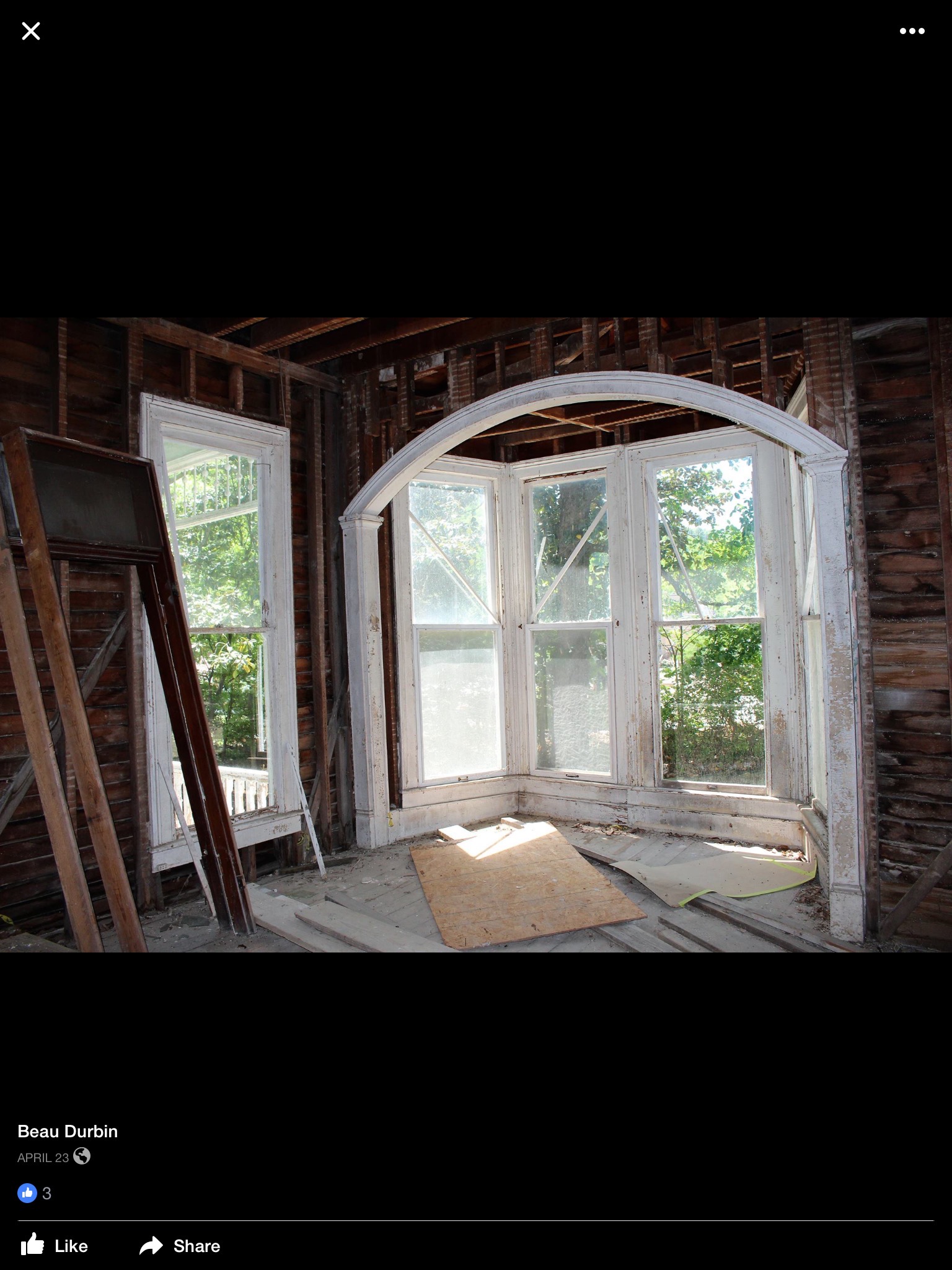
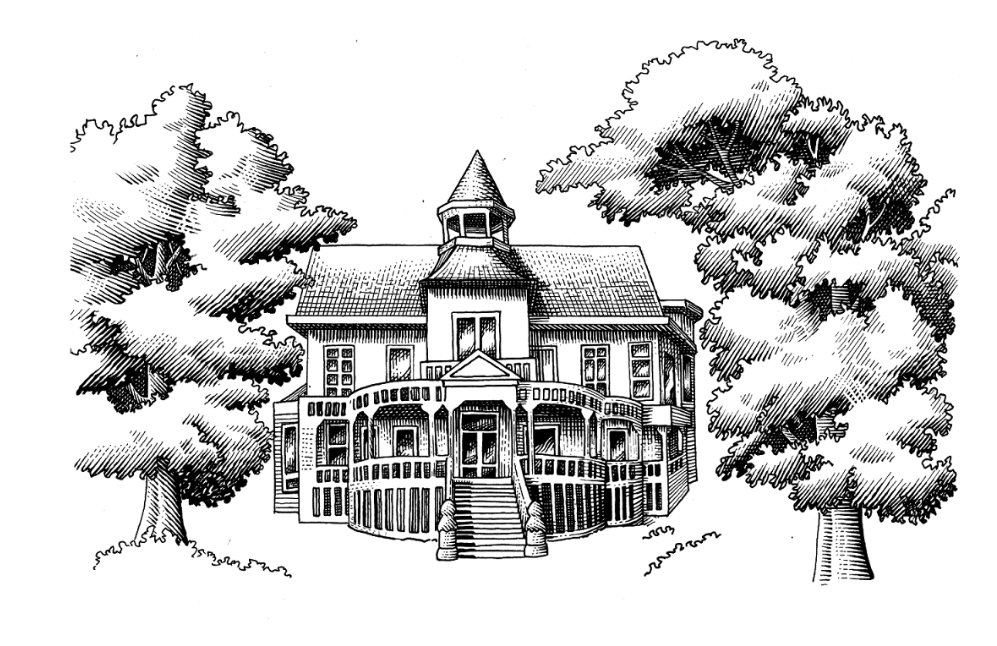
Captain George Gray Latta built this house in 1874 for his bride, Fannie Brownlow, a governor's daughter who arrived to find a turret rising above the magnolias. From its hill above Whittington Avenue, the Magnolia has watched Hot Springs grow up around it — the bathhouses, the racetrack, the travelers who came for the waters and stayed for the town.
A century and a half later, the house still keeps her secrets: hand-cut trim, wavy glass, and staircases worn smooth by six generations of hands. Some places carry a spirit. This is one of them.
FROM THE ARCHIVES
Two years after Captain Latta signed for the house, Knoxville’s St. John’s Church filled to capacity for his marriage to Fannie Brownlow — daughter of Tennessee governor William G. “Parson” Brownlow. The full announcement, as the newspapers printed it, appears below.
THE HOUSE ON PAPER
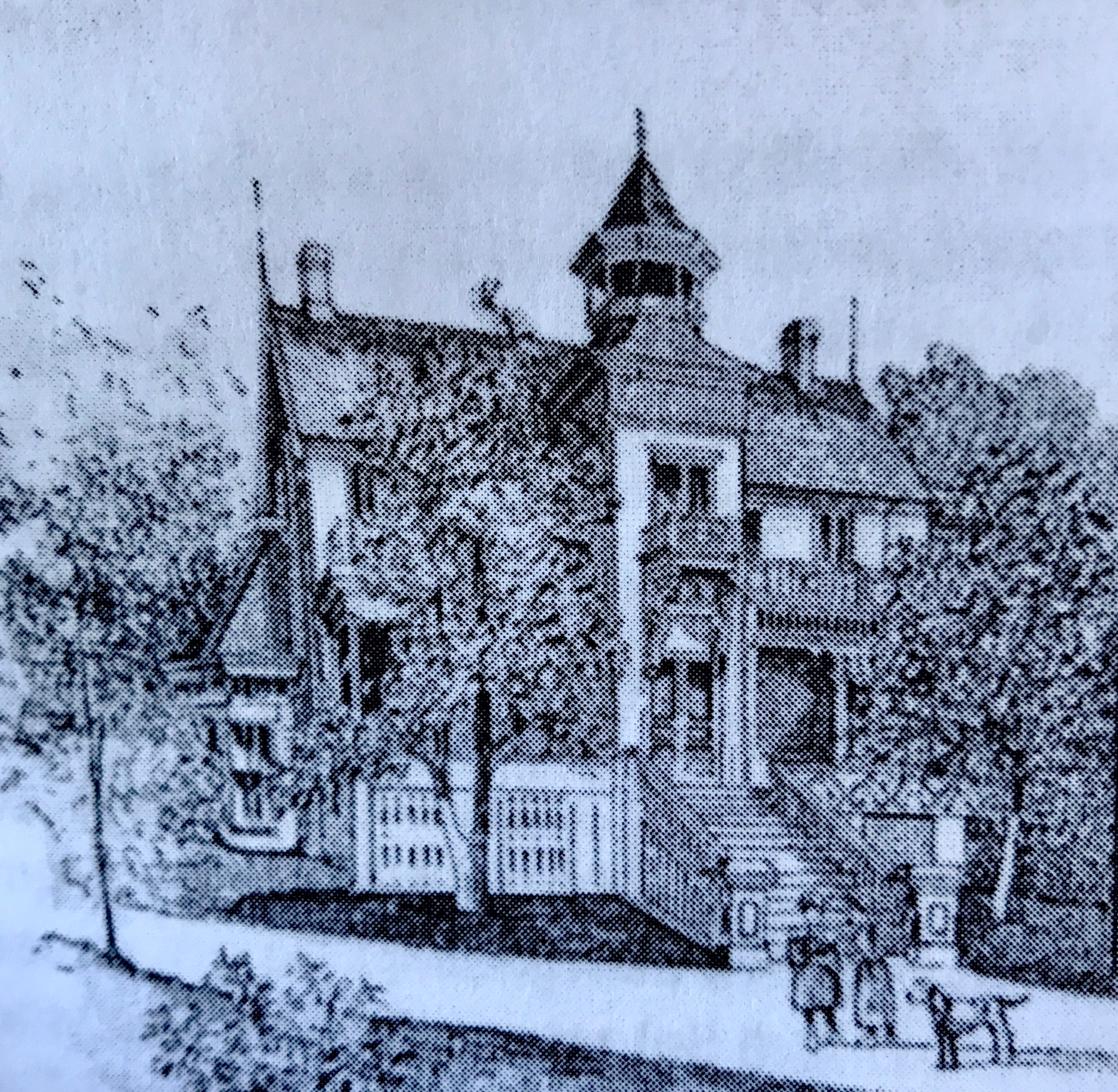
The Magnolia has been sketched, drawn, and painted for a century and a half — long before every guest carried a camera. These drawings from the house's archive show her as artists saw her.
March 3, 1876 · Knoxville, Tennessee
The Marriage of Mr. GEORGE G. LATTA to Miss BROWNLOW, of Knoxville.
Capt. George G. Latta, son of Mr. W. S. Latta, of Cartersville, was married in Knoxville, Tenn., to Miss Fannie G. Brownlow of the latter city. The EXPRESS makes its acknowledgements for the usual printers fee and joins many others in wishing them a long and happy life. We append a description of the ceremonies taken from the Knoxville Chronicle of the 1st instant.
St. John’s Church was filled to its utmost capacity last night with the elite of the city to witness the nuptials of Capt. George G. Latta, of Hot Springs, Arkansas, and Miss Fannie Brownlow of this city. For a week all who were fortunate enough to secure “cards” have been awaiting the evening of the 29th, not a little impatient at the tardy pace of time. The Church presented an attractive appearance, the chancel having been decorated with no small degree of taste and beauty; wreaths were suspended from the pillars in a most artistic manner, and at their intersection was hung a marriage bell, the clapper consisting of a single calla lily. Above the bell, on a rope which it was suspended was the monogram L. B. in white flowers and delicate green leaves. Promptly at 8½ o’clock the bridal party entered the church while the wedding march was performed by Mr. Hodgson in his usual excellent style. All being in readiness the “twain was made one” by the beautiful and impressive ceremony of the Episcopal Church, Rev. Mr. Duncan officiating.
The bride was arrayed in a dress of white brocaded satin, garnished with lace and lily-of-the-valley fringe, a bridal veil caught at the left side of the head with a delicate spray of lilies of the valley, completed a combination well fitted to enhance what nature has unsparingly bestowed. The groom was attired in the conventional suit of black. The attendants were Mr. Sam McKinney and Miss Annie Brownlow, Mr. W. M. Baxter, of Chattanooga, and Miss Latta, sister of the groom. The dresses of the bridesmaids bore no mark of dissimilarity, and were a subtle mixture of white tarletan and satin.
At the conclusion of the ceremony, the more intimate and still more fortunate friends repaired to the residence of H. M. Aiken, Esq., brother-in-law of the bride, where the happy couple received many and heartfelt congratulations, and where, too, the inner man was remembered in a manner satisfactory to the most fastidious epicures. Mr. and Mrs. Aiken have the happy faculty of making their guests feel “at home.” We heard but one expression in reference to the entertainment, and that was that it was perfectly pleasant and agreeable to all not a single discord to mar the general harmony.
The presents received were numerous and elegant—loudly bespeaking the high esteem in which the bride is held by her many friends.
As reprinted in the Express from the Knoxville Chronicle. The wedding was also reported by the Nashville Daily American (March 3, 1876) and noted in the New York Times (March 8, 1876).
THE RESTORATION
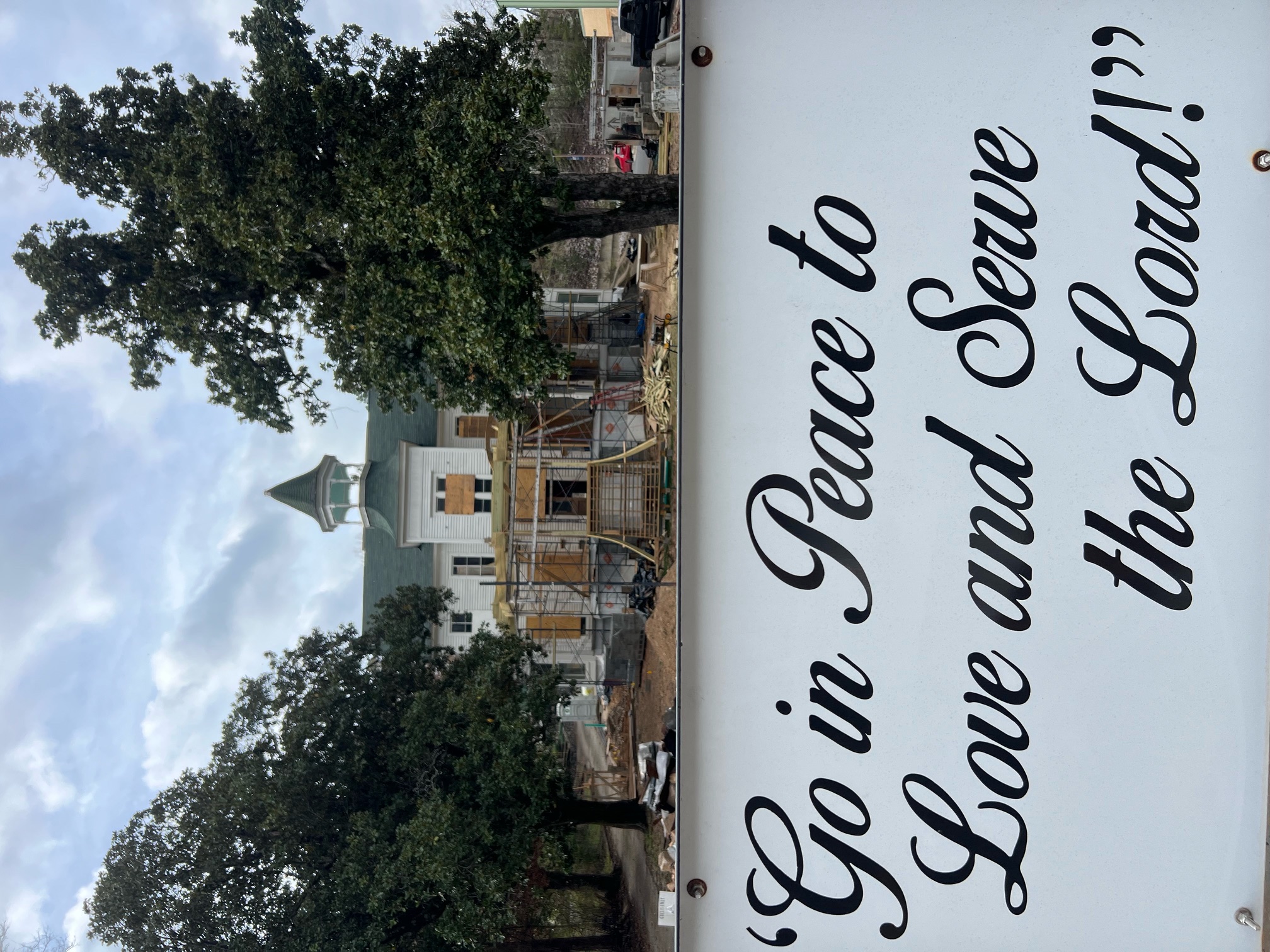
A century and a half of weather, wars, and waiting. The bones held. The turret never fell. The house waited for someone to see it.
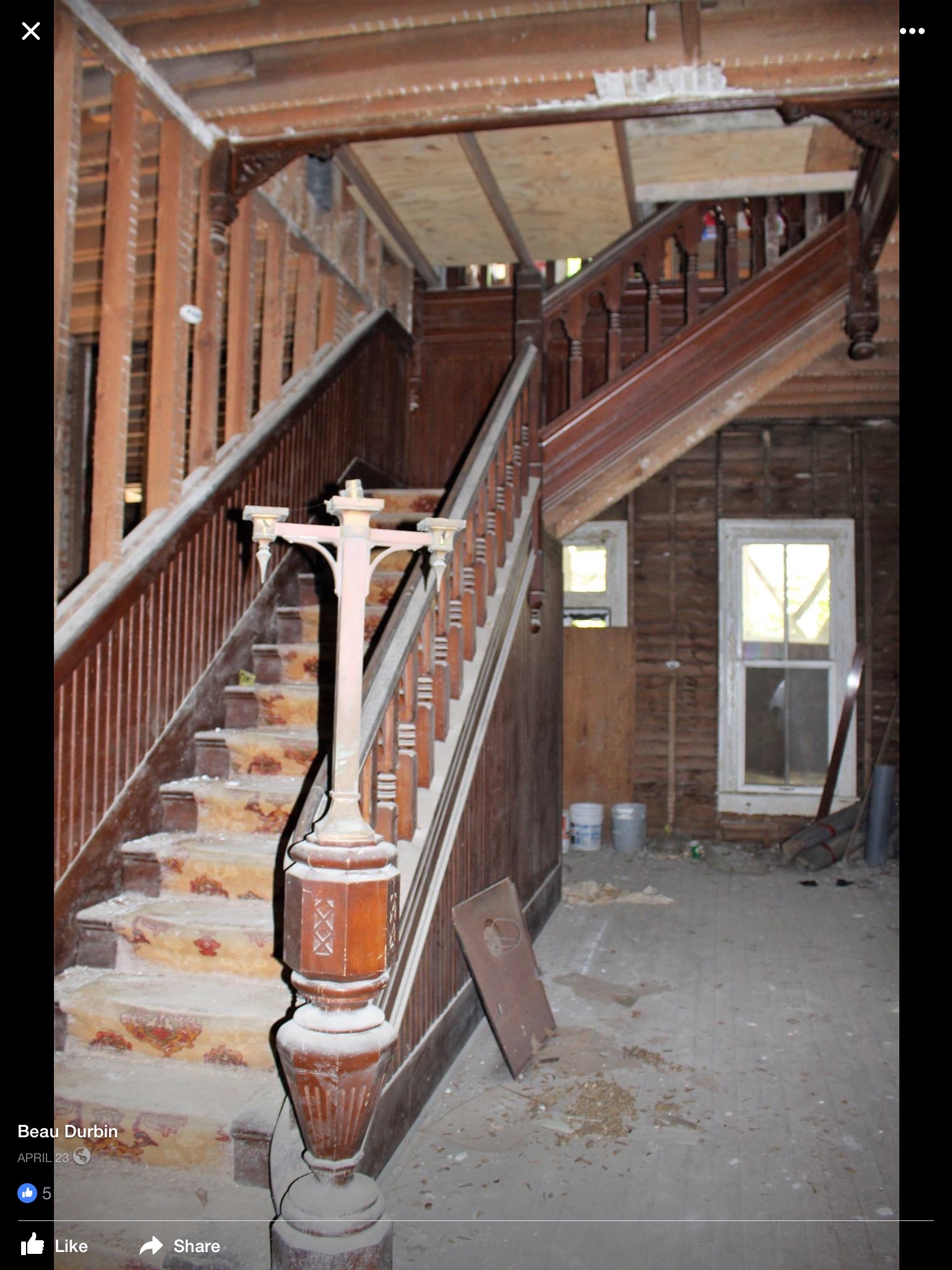
Suite by suite, season by season: original trim uncovered, floors brought back, two suites open and welcoming guests while the work goes on.
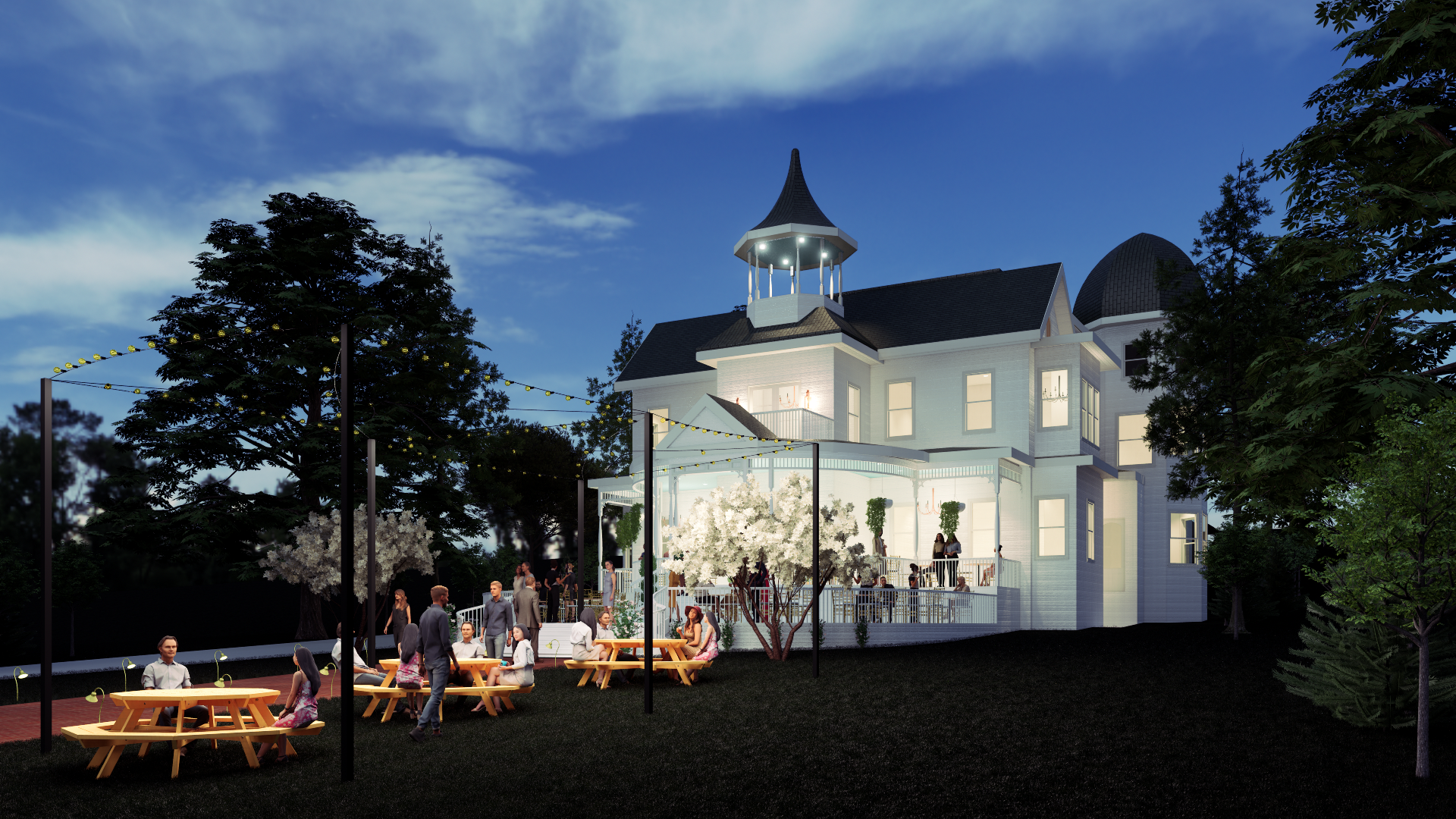
Eight suites. A wedding lawn under string lights. A stage, a Southern kitchen, and a veranda full of people again.
THE VISION
The Majestic Magnolia is being returned to its full glory one room, one story, one season at a time. Coming: a wedding and event venue on the grand curved veranda, a curated pantry and shop, and gardens that give the whole block its evenings back.
Inquire & Follow Along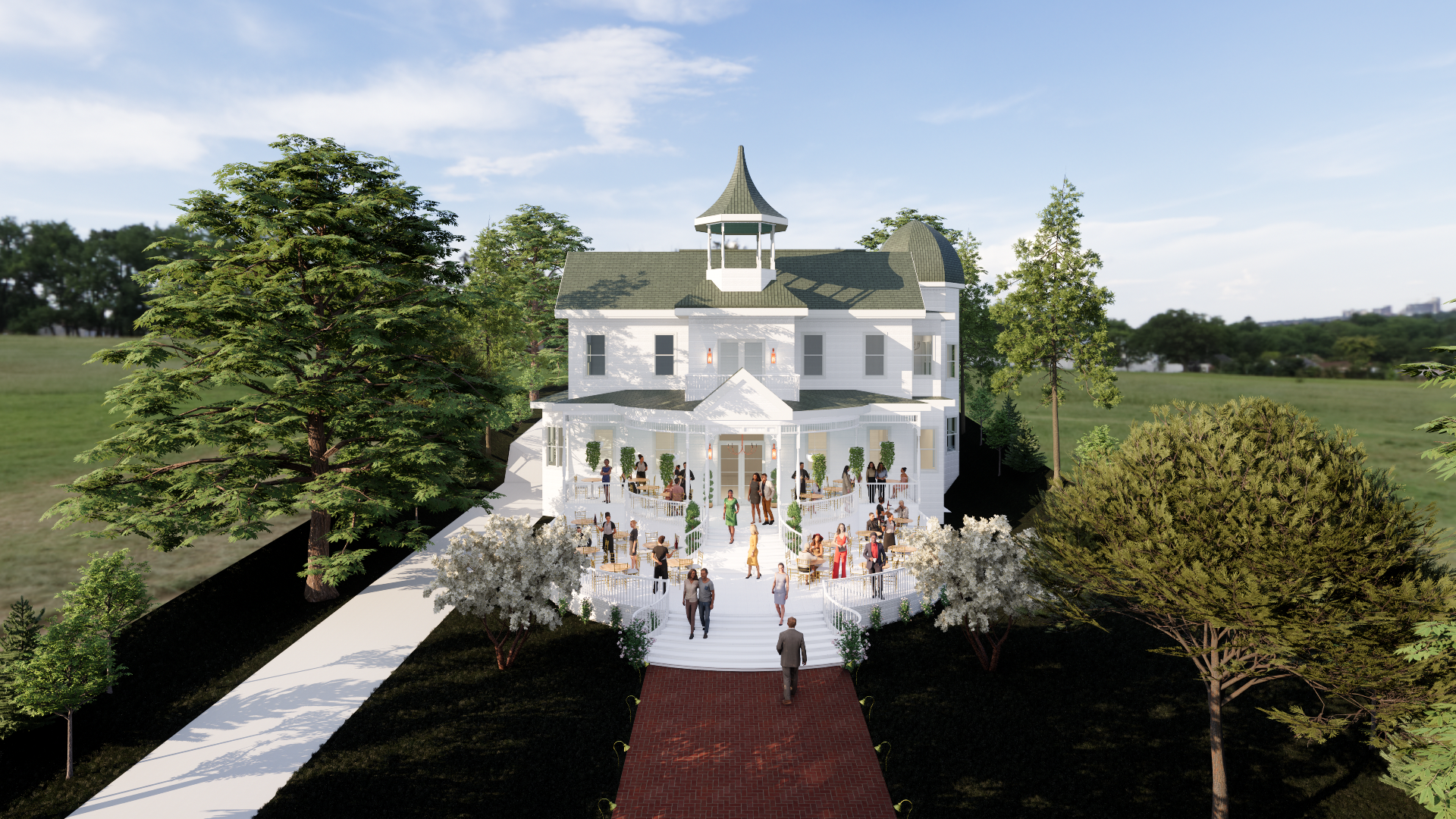
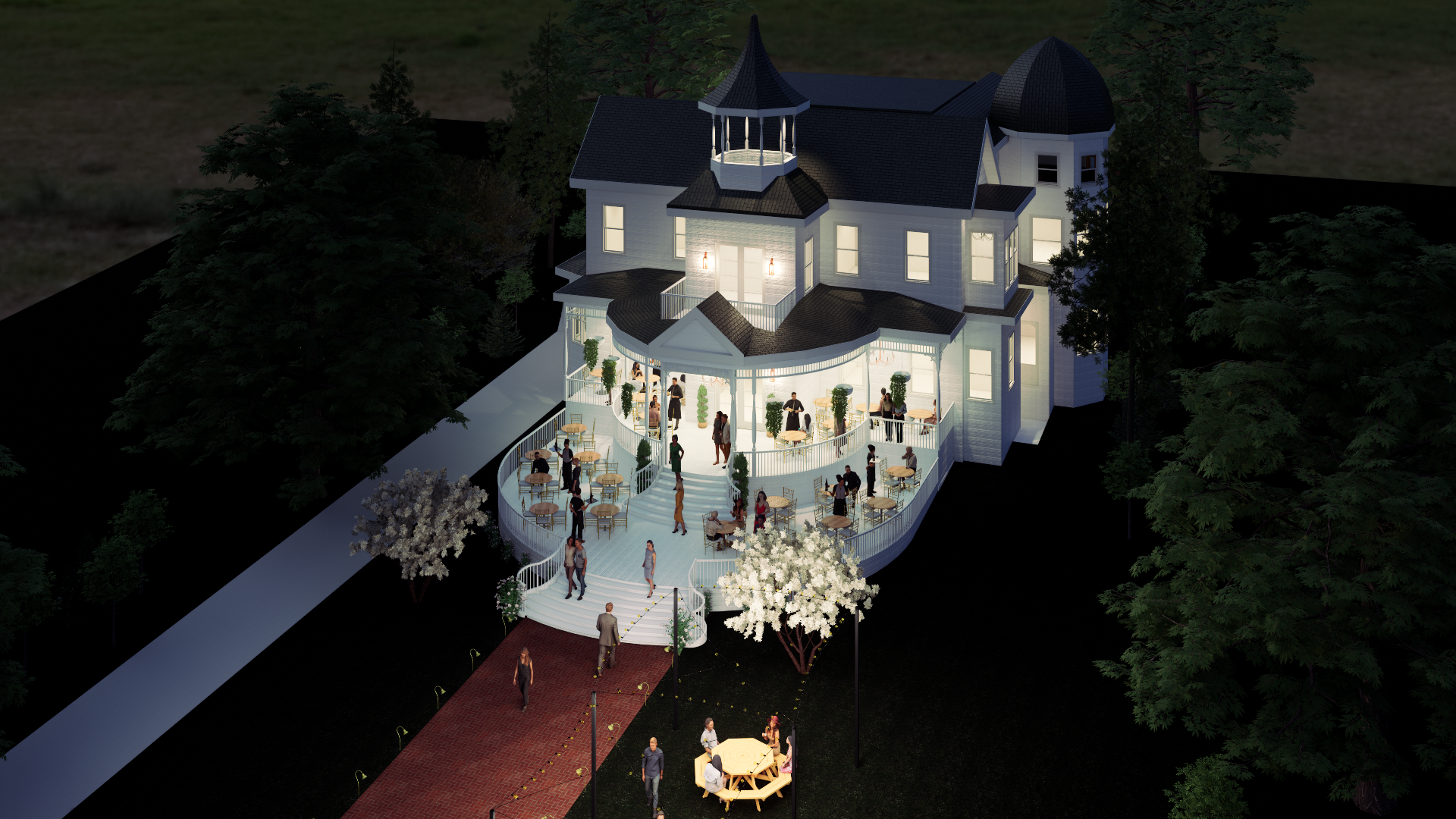
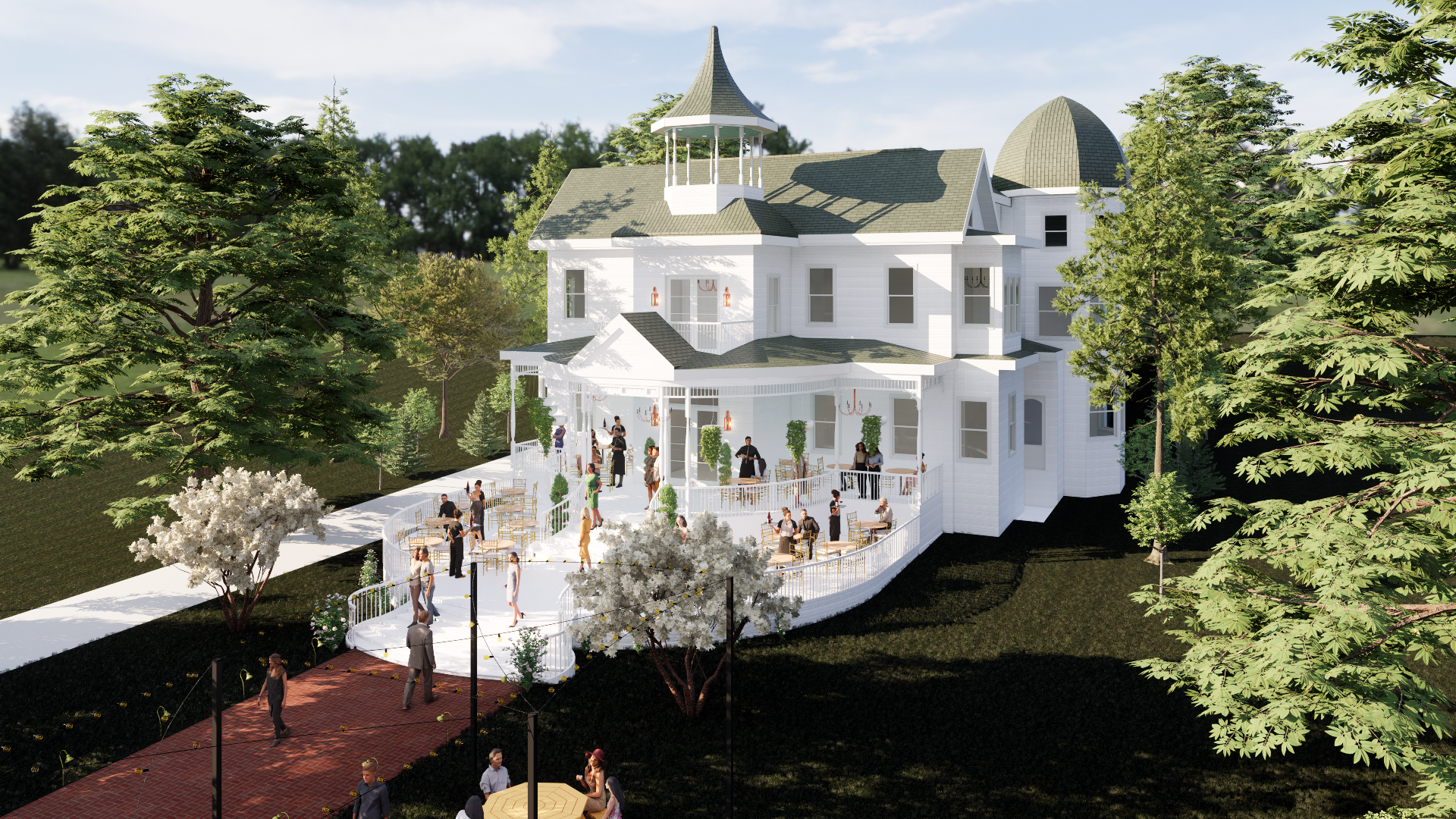
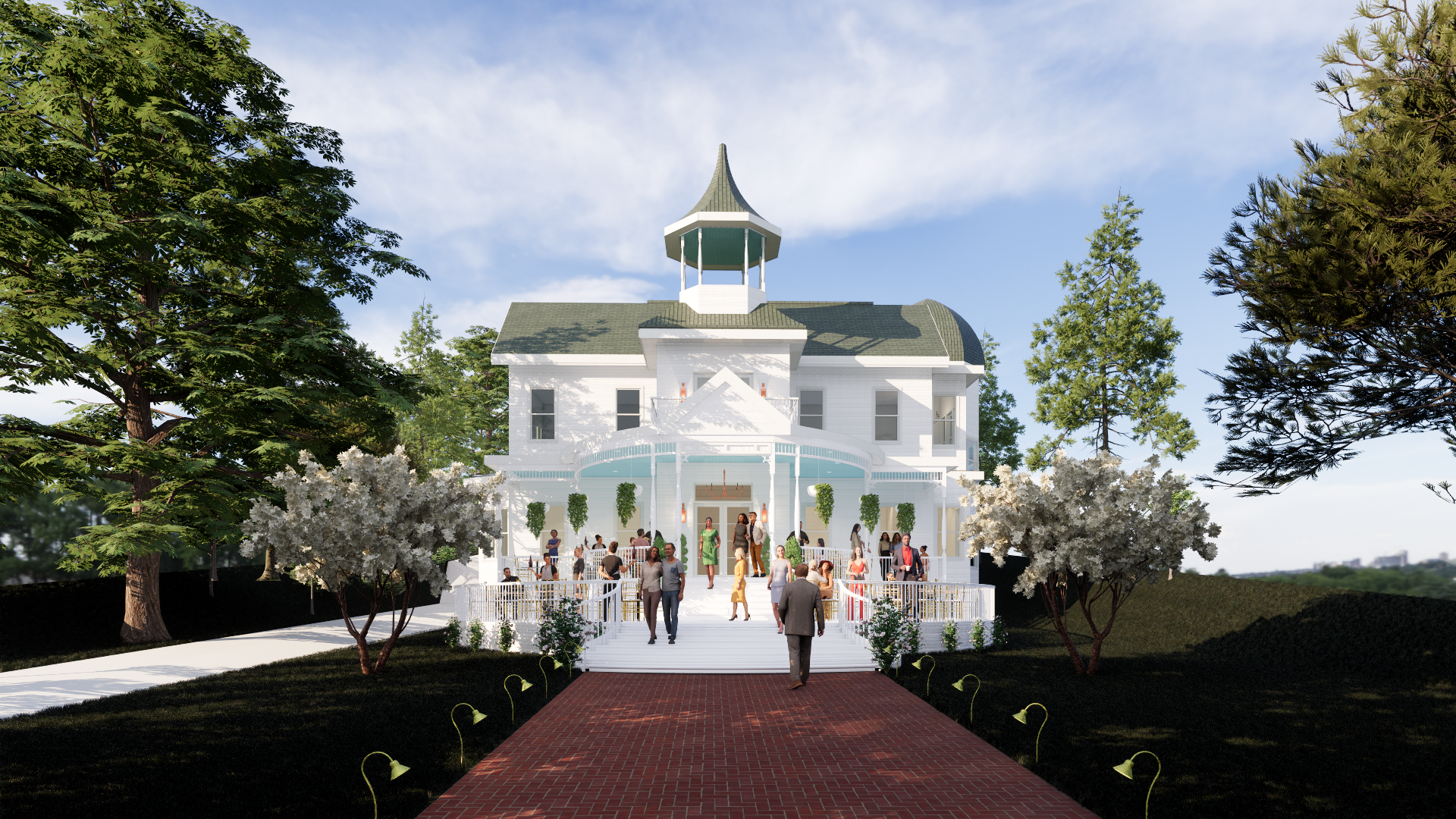
Architectural renderings of the completed restoration — wedding and event venue, gardens, and all eight suites.